Category Archives: Calendar

December 2025 Atomic Tourism Calendar

Download December 2025 Atomic Tourism Calendar

Chthonodynamis Sculpture
Chthonodynamis sculpture by Robert Russin at the Department of Energy, Washington D.C.

This month’s calendar features the sculpture, Chthonodynamis, by Robert I. Russin, located in front of the lobby of the Department of Energy‘s James V. Forestal Building, a low-rise Brutalist office building in Washington, D.C. The Chthonodynamis sculpture is carved from a single block of Norwegian granite.

Chthonic is derived from Ancient Greek meaning earth or soil. Dynamis (dunamis) also comes from Ancient Greek and refers to power and potentiality. Together, they form Russin’s description of the worldwide hunger for energy (“Earth Energy”). The sculpture depicts energy inside a hollow sphere, with the figure of a man attempting to contain it.

Chthonodynamis Nameplate

The 10-foot sculpture was installed in 1992. Russin was an American sculpture from Wyoming who created a number of public sculptures throughout the United States.

A description plate provides an artist’s statement of the sculpture.

If you visit the Department of Energy, be sure to view the museum in the lobby which features the history and many artifacts from the Manhattan Project sites.

Be sure to download the December 2025 calendar featuring significant atomic events and atomic shots during the month.

November 2025 Atomic Tourism calendar

Download November 2025 Atomic Tourism Calendar

Chicago Pile 1 marker
Chicago Pile-1 granite marker in Red Gate Woods Preserve at Site A

This month’s calendar features the granite marker noting the location of the original Chicago Pile-1 after it was disassembled and moved to the Argonne National Laboratory, Site A, in March 1943 and renamed Chicago Pile-2.

Now called the Red Gate Woods forest preserve, you’ll find an inscribed granite marker and an historical site marker. These mark the spot where Chicago Pile-2 was reassembled and built, along with other reactors. Chicago Pile-2 operated until 1954, at which time it was shut down and buried in Site A/Plot M Disposal Site. The gigantic hole dug was big enough for the 2-story high reactor, which was decontaminated and imploded for safety.

Other artifacts can be found in the area, including other concrete markers inscribed with historical information, the foundation of the labs, and more. The site can be found along the Pipeline Trail, which is poorly marked, but well worth the trek into history. Similarly, the trek from the main parking lot is as arduous.

Chicago Pile marker
Chicago Pile-1 granite marker and information plaque.

Several markers near Site A/Plot M caution that radioactive material is buried in the area.

The marker at Plot M
Plot M marker

Be sure to download the November 2025 calendar featuring significant atomic events and atomic shots occuring during the month of November.

October 2025 Atomic Tourism Calendar

Download October 2025 Atomic Tourism Calendar

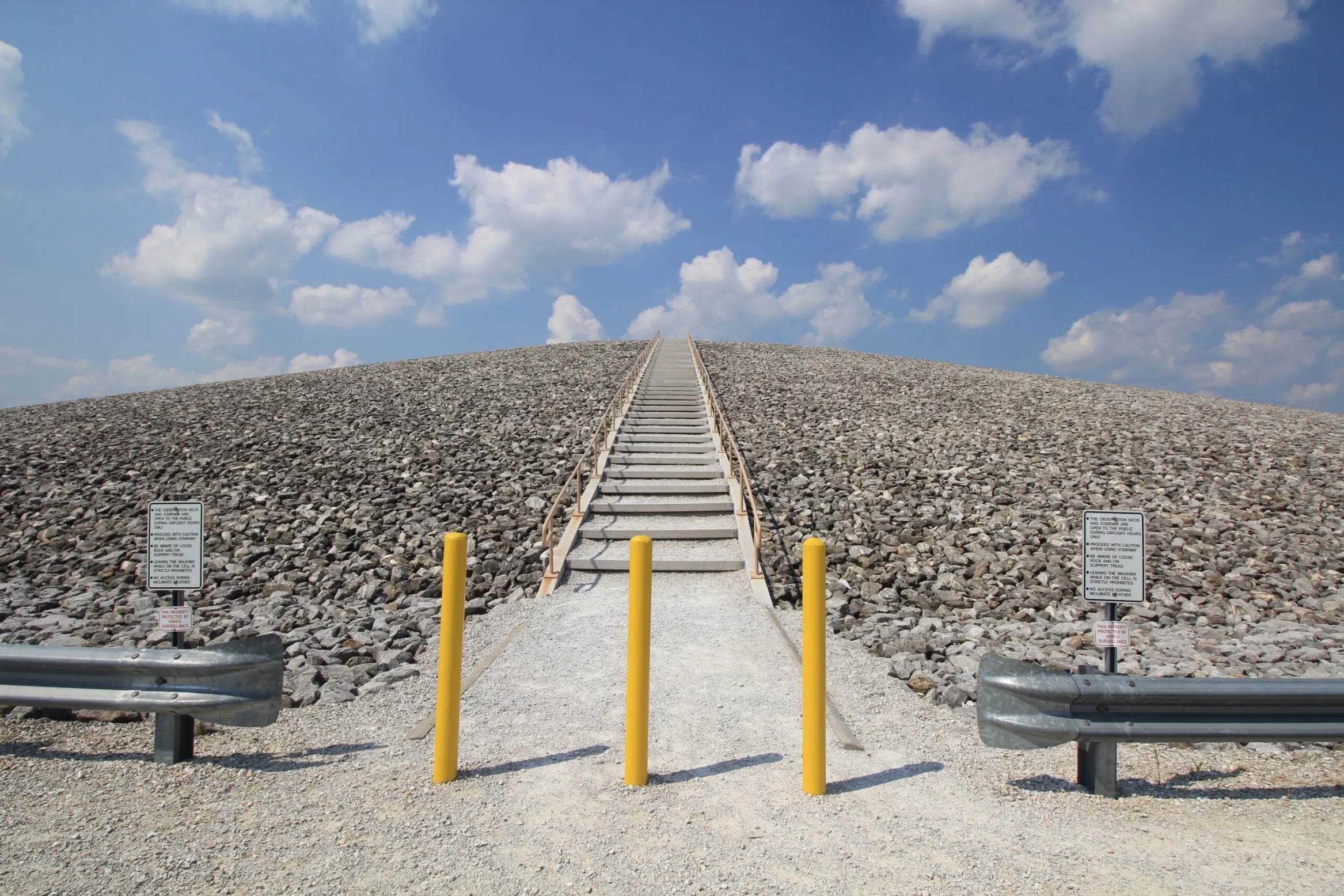
Weldon Spring Site and Interpretive Center. Steps to the top.
Steps to the top of the Weldon Spring Site.

This month’s calendar features the Weldon Spring Site and Interpretive Center. Specifically, the featured image is the entrance to take the steps to the top of the site for an interesting panoramic view of the area.

The U.S. government acquired 17,232 acres of rural land, displacing 576 residents and three towns to establish the Weldon Spring Ordnance Works supporting World War II efforts for manufacturing TNT and DNT.

TNT in St. Charles County
TNT Marker noting the displacement of residents.

From 1956 – 1967, the U.S. Atomic Energy Commission constructed the Weldon Spring Uranium Feed Materials Plant to convert uranium ore concentrates to pure uranium oxides and compounds. Obviously, by 1987, with production ceasing, the DOE was left with a massive Superfund cleanup site.

Weldon Spring Site disposal cell structure
Weldon Spring disposal cell structure from afar.

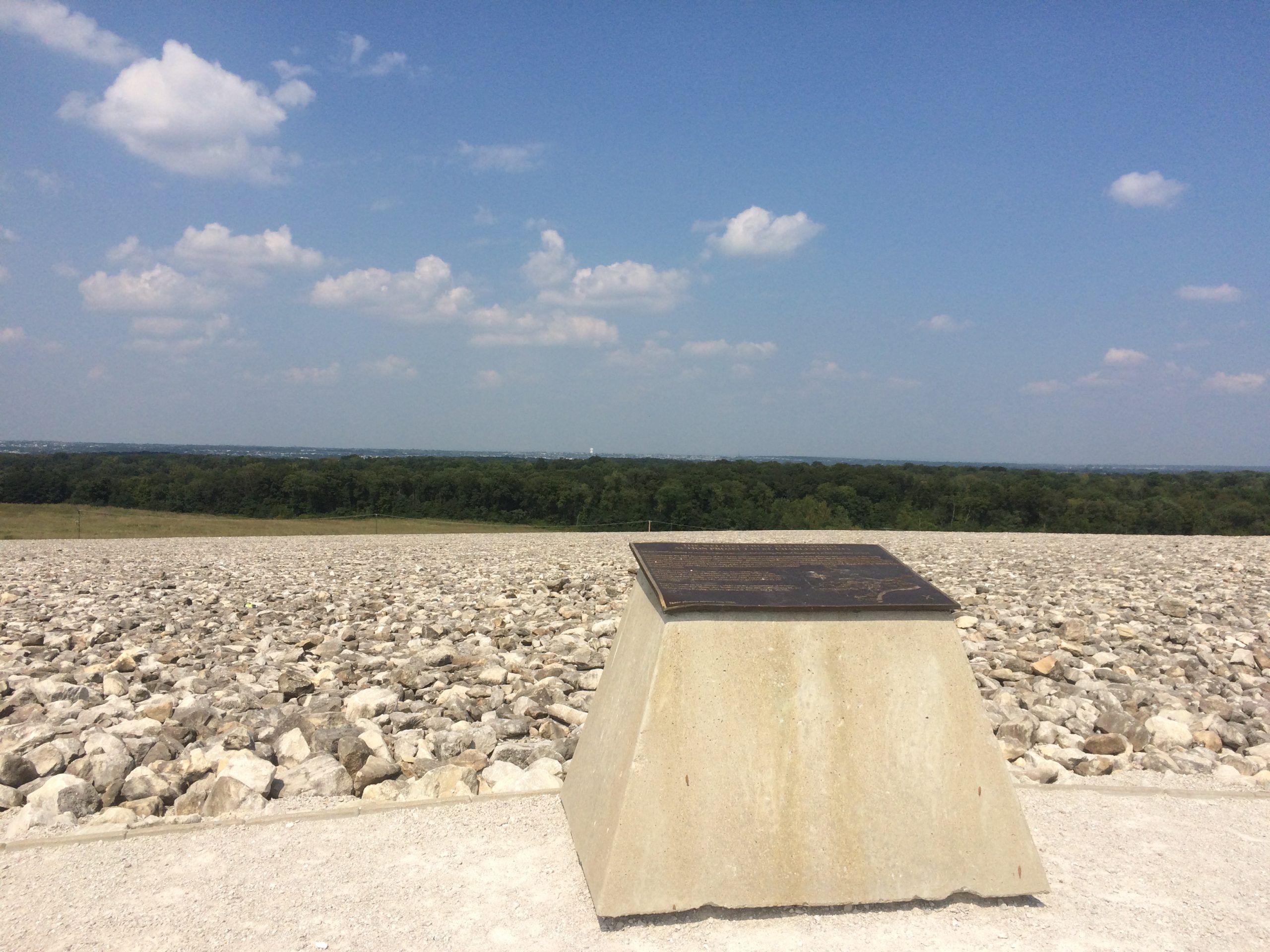
The outstanding feature of the Weldon Spring Site is the 41 acre, 75 foot tall engineered disposal cell structure designed to contain the site’s waste. Now a public park with walking trails, bird watching, mountain biking, and native, restored prairie, the disposal cell stairway takes you to the top of the mound with a panoramic view of the area with historical markers.

Weldon Spring Marker at the top of the disposal cell
Weldon Spring Marker at the top of the disposal cell.

Be sure to go to the Interpretive Center that explains more about the area, the TNT manufacturing, the Atomic Energy Commission’s use for uranium materials, and the Department of Energy cleanup.

Be sure to download the October 2025 calendar featuring significant atomic events and atomic shots occuring during the month of October.